
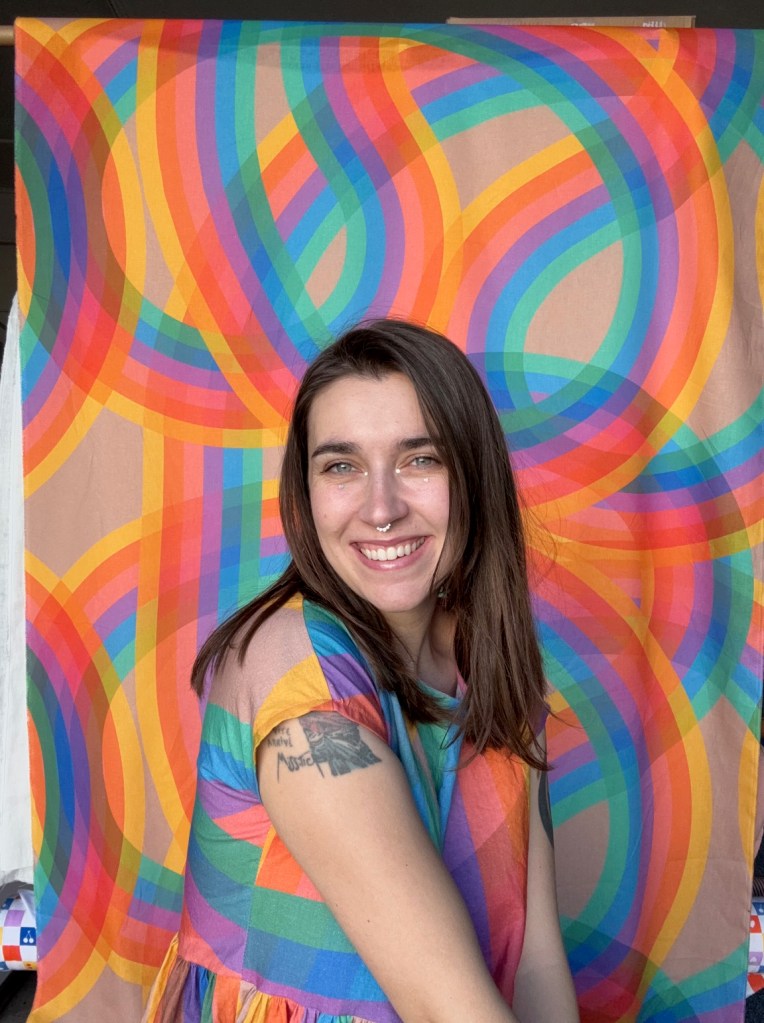
Bethany Hays-Alsin is the founder of Fluid + Drape, a fabric shop built from a desire to bring boldly coloured, high-quality garment fabrics to the United States. Then she added her own line of fabrics and prints. With a strong focus on design, collaboration, and creative production techniques, Bethany grew her business from a small operation into a rapidly expanding brand. Now her team is focused on expanding, both physically and creatively.
What prompted you to start a business?
It was March 2023 when I started. I had been sewing for a few years. I was constantly ordering fabric from abroad and waiting a couple of months for it to arrive. I just got really impatient and thought there was a market opportunity to be the U.S. store offering really high-quality garment fabrics with really bright colors and fun prints, offering interesting imported fabric.
I wasn’t seeing the type of shop that I wanted to buy from, so I decided to create it.
Where does the name come from?
Fluid + Drape just came to me. I was thinking about the fluid drape of a fabric and the magic of creating, of feeling fabric.
It’s a little funny when I walk around town, like when I’m out getting coffee, and I say my business name, people don’t always understand. But that’s fine by me. It’s not for everyone. It’s for people who sew and love fabric. They hear it and think, “Oh, the fluid drape of a fabric.”
I also joke that it’s a little millennial-coded: “this and that”. But I’m a millennial, and I’m proud of it. My whole website is millennial pink. It’s cute. I own it.
What are your favorite and least favorite parts of running your business?
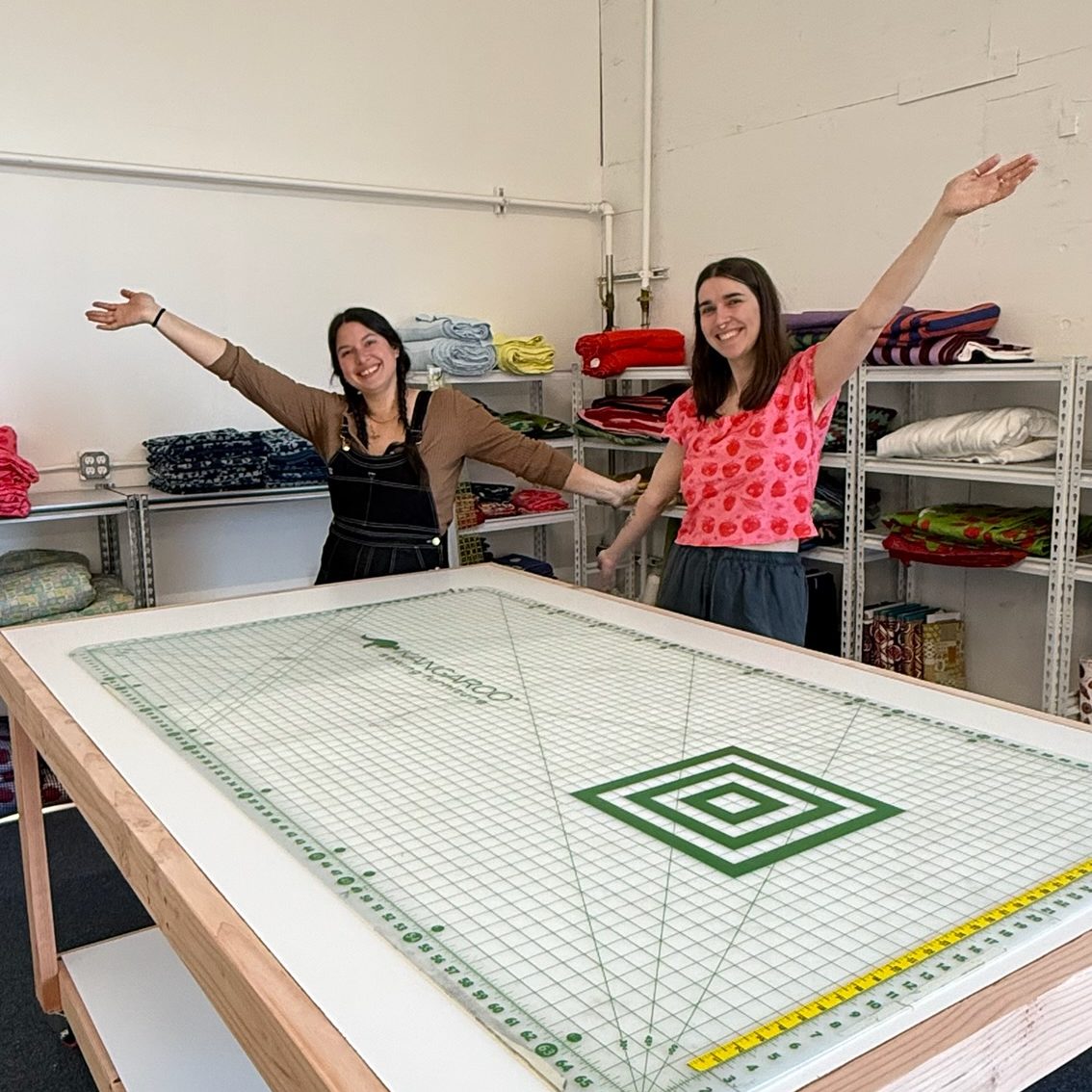
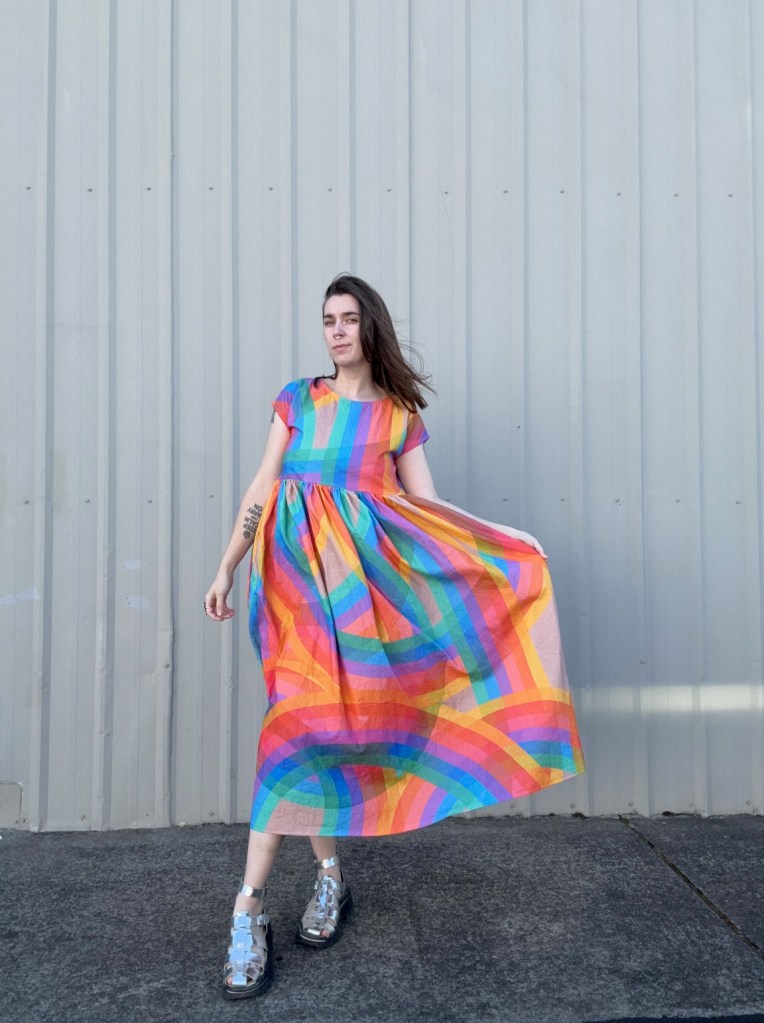
My favorite part is designing the fabric. I’ve designed a lot of our print collection. We work with block printers in India who do indigo dyeing, screen printing, and other specialty techniques.
I draw things on my iPad and collaborate with them to bring the prints to life. That’s been my absolute favorite part of this job.
I don’t love customer service, admin, or managing the team. But luckily, one of my employees was ready for more responsibility so I promoted her and delegated those tasks. Now I can focus on design and creative marketing.
I’m slowly building my dream job. A few years ago, I was doing everything myself. Now I have a team and can choose how I spend my time.
Do you have any favorite sewing pattern designers?
Right now, I really adore Sewing with Liliya. I tested her Sloan pullover, which I’m wearing right now. It’s super comfy. I’ve sewn some of her other patterns, and I absolutely love them. She has great attention to detail.
I also love Sydney Graham patterns. I’m a little biased because we’re local friends, but I love the simplicity of her patterns and how educational they are. A lot of customers come to me through her. They tell me they just learned to sew and now want to buy fabric.
And I really love Tiana Herring’s patterns, especially her focus on size inclusivity and creating fun, unique designs.
I love all the indie upstarts. The bigger brands are great too, but the newer indie designers are doing things nobody else is doing and just bringing such an incredible level of attention to patterns. It’s a really competitive field and not all patterns are made the same. But if I recommend someone, I have sewn a few of their patterns already. I know they are meticulous and the grading is on point. I am picky!

Are there any stores you admire?
I love Blackbird Fabrics in Canada. They’re kind of the OG of doing their own prints and colors. I used to order from them a lot.
I also love Josephine’s Dry Goods in Portland. She has a website but it’s not always up-to-date. It’s more of a brick-and-mortar experience: lots of plants hanging everywhere, nice vibes and she is really helpful. I live close to Portland and I love popping over there.
And Bolt Fabric in Portland as well. They have a strong online presence too.
Do you have any advice for people considering opening a store?
I’ve been getting a lot of emails from people wanting to open stores, especially with Joann’s closing.
It can absolutely be done. And I love seeing people open brick-and-mortar stores in fabric deserts and create community hubs. But I am worried when someone rushes to open an online store. It’s an extremely competitive market. You don’t make money for a while, and when you do, it’s not huge. It’s hard to make a living.
I think you have to be 1000% committed. It can take some time. Like any other business, you need to have a business plan, use local resources, find a mentor in the community who can help you or take a business class, learn accounting, etc. When you start, you have to do everything. Even the parts you don’t like. I did customer service for three years before I could step away from it.
If you’re starting an online store, you need a really strong point of view. Define your market. Figure out what you offer that no one else does.
It’s possible, but it’s not easy.
What are you most looking forward to regarding your store?
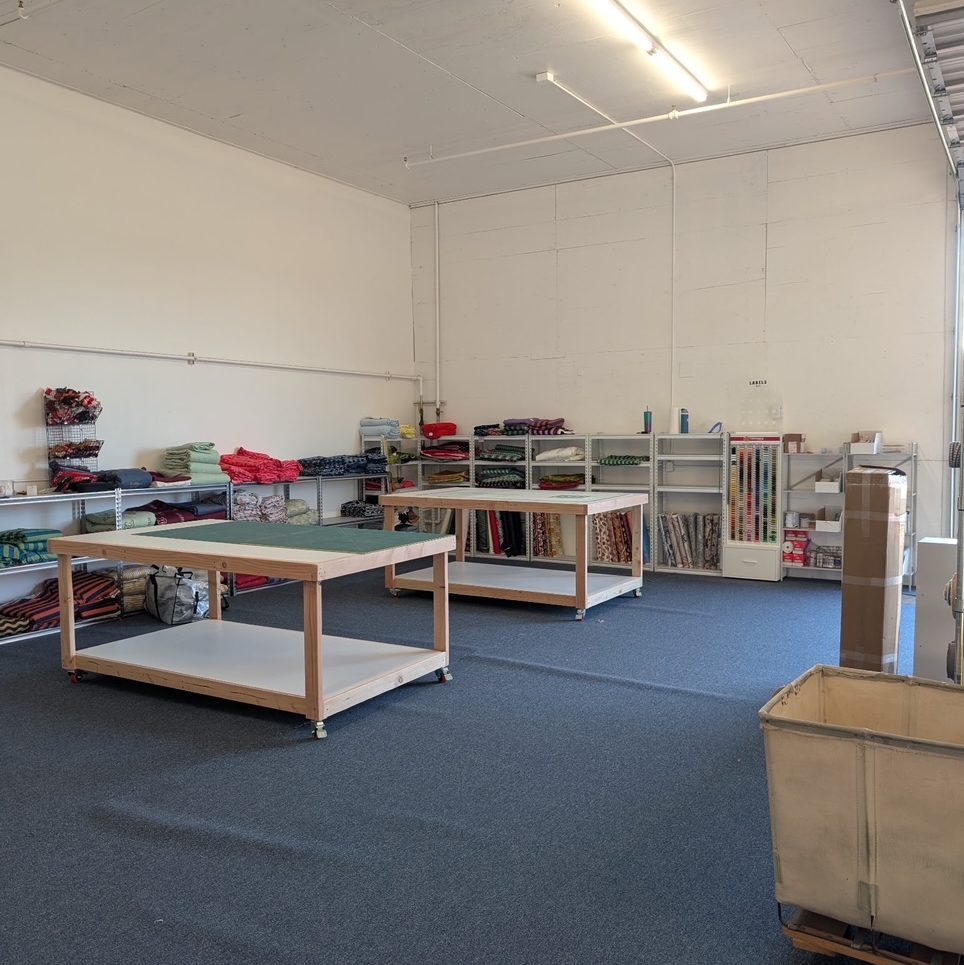
We’ve reached a pivotal point in our growth. We just moved locations. We had a 600-square-foot space, itty-bitty one-car garage sized-warehouse. Our new location is 2,800-square-foot. We are sharing the space with a few subletters but we kept about 2,000 square feet for our own operations. And we’ve hired two more fulfillment staff.
It’s exciting, but also scary signing a big 3-year commercial lease and stepping into that level of responsibility.
I just hope we can sustain this and that we can continue to develop our own prints and we bring a lot of artists on board for collaborations. We are doing three or four artist collaborations this year. I would love to just keep continuing to expand that and expand our own print offerings.
It used to just be all of my prints, but now Aria, another employee, and I develop prints together sometimes. She comes up with the idea, I draw it out and then we refine together. Then we work with printers in India who reinterpret the designs for block printing, screen printing, and dyeing.
I love that confluence of creativity and teamwork across different parts of the world.
Our goal is to keep expanding our custom prints. We’re not planning to go wholesale. We want to keep everything retail but that comes with challenges, like minimum order quantities. So we’re working toward scaling enough to produce more custom fabrics while still selling through everything.
That’s really the goal: to keep growing creatively and sustainably.
 Replic: the blog