
In this interview, Molly Hamilton recalls how she took over two pillars of the homesewing pattern world, Folkwear and the Green Pepper, and helped them evolve to fit the needs of today’s sewists. She shares the delights but also challenges that come with facing new problems everyday, how incredibly kind and helpful sewing business owners can be, and discusses upcoming celebrations for Folkwear’s 50th anniversary.
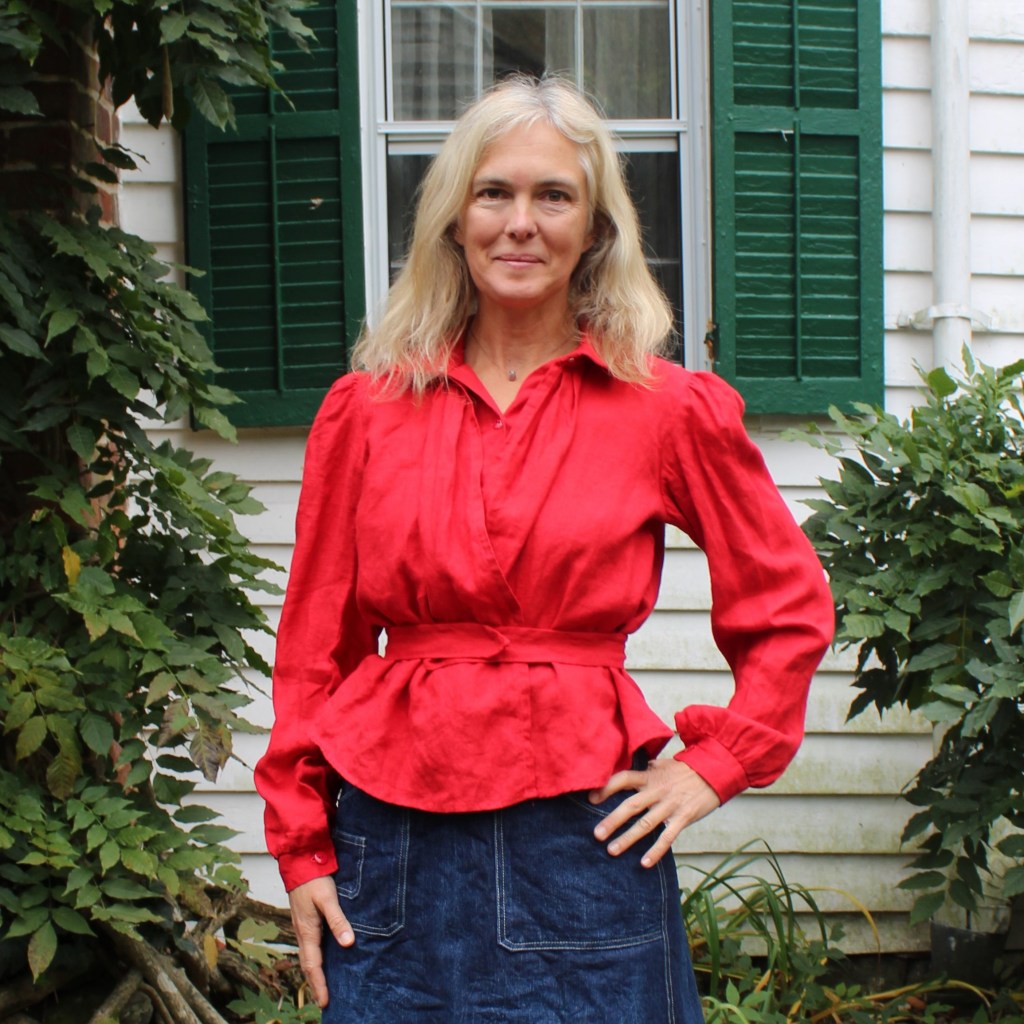
What prompted you to start a business?
I actually took over these companies, Folkwear and The Green Pepper, well after they were established. I took over Folkwear about eight or nine years ago, and The Green Pepper about a year and a half ago. Both of these companies have been in business for 50 years or more. So I am honored to be able to steward these companies forward.
My background is actually in agriculture and science, but I’ve been sewing all my life, since I was a child, and I’ve always loved that creative energy. I’ve run a small business before, and when the opportunity to take over Folkwear came up, I thought: “Yeah, I think I could do that. That would be really fun.”
It’s definitely been fun and a challenge. And very enjoyable.

Where does the name come from?
Folkwear was started in the 1970s in California by three women who had traveled a lot and had seen folk clothing around the world. They loved that aesthetic and wanted to make clothes that were similar, to connect with those cultures and the handwork involved. So, Folkwear was a pretty natural name.
For The Green Pepper, I asked when I took over the company where the name came from. They started over 50 years ago as a sportswear manufacturer, sort of a cottage industry in the early days of sportswear. They were just throwing out names, and apparently, her father walked through the room and said, “What about The Green Pepper?” For some reason it stuck, and they loved it. They started with biking shorts and biking clothes and went from there.
I don’t really know why that name, but it worked for them. And now it’s kind of iconic.
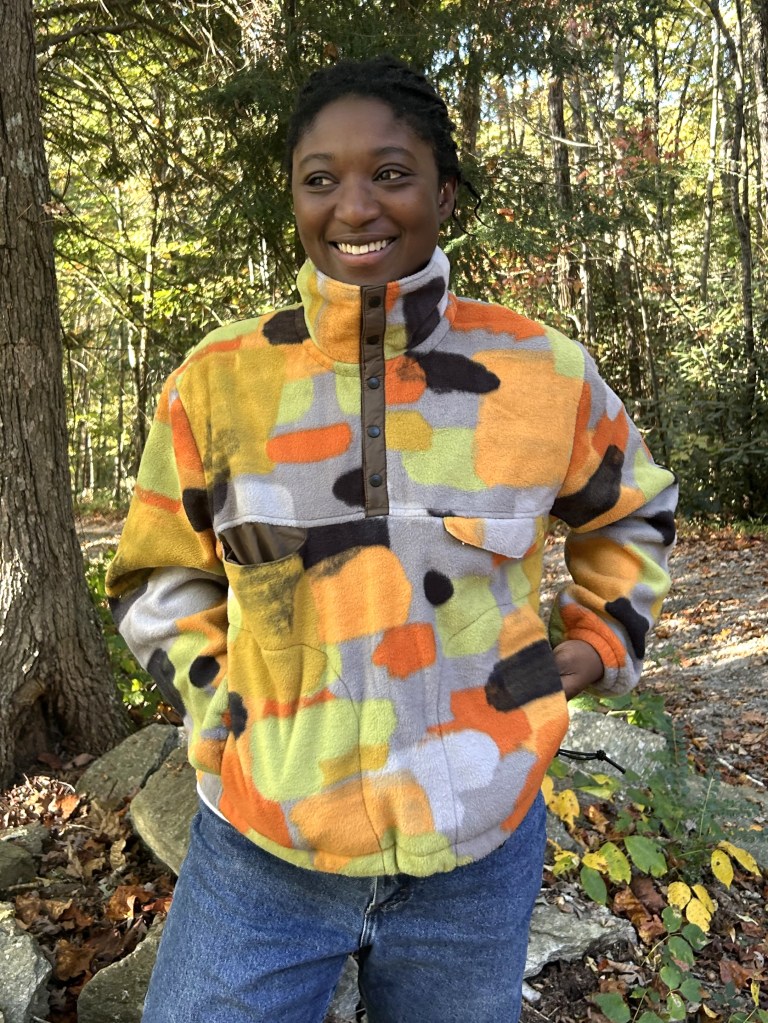
What are your favorite and least favorite parts of running your own business?
I like that every day is a little different. There’s always something new to do: testing patterns, developing new patterns, solving problems. Every day has a challenge and something different in it.
Maybe that is also the hardest part. Every day is a new challenge to figure out. Some days, solving challenges feels really good. Some days, that’s harder.
Running older companies has its own challenges. I have strong suits and places where I’m not so strong, and when those weaker areas come up, that can be difficult.
These companies had name recognition for a long time, but they were a bit behind in marketing. Reaching younger people and new generations of sewists is always a challenge, but I like it.
Favorite fabric stores?
We have a new local fabric store called The Sewing Studio that moved here from Washington State or Oregon this past year. That’s a great one.
I love Hart’s Fabric online. Hawthorne Supply Co has just about anything and everything.
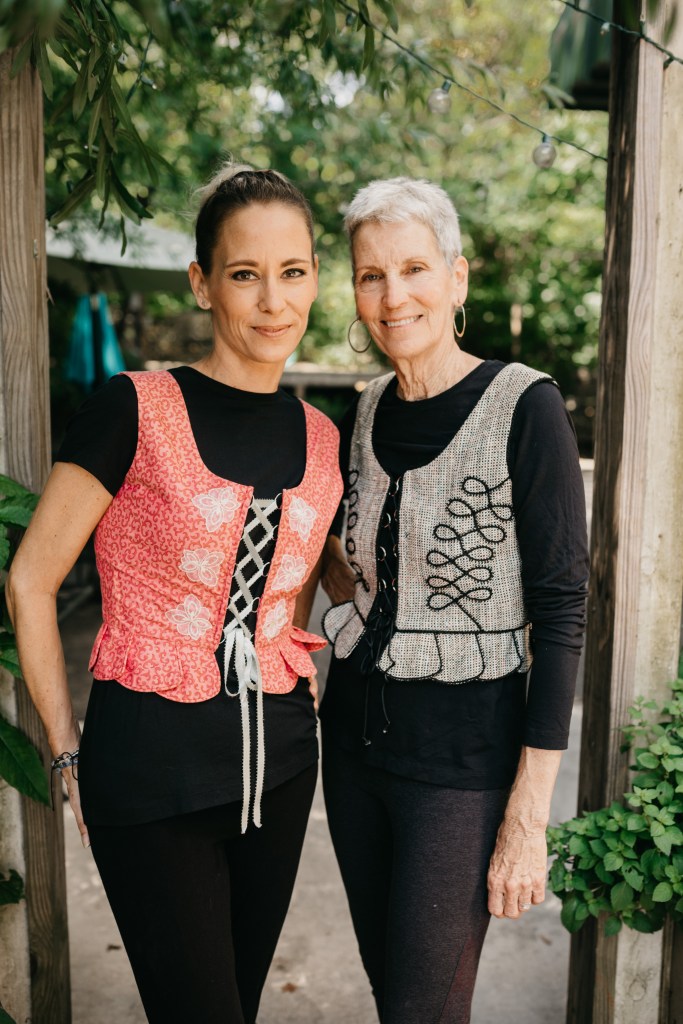
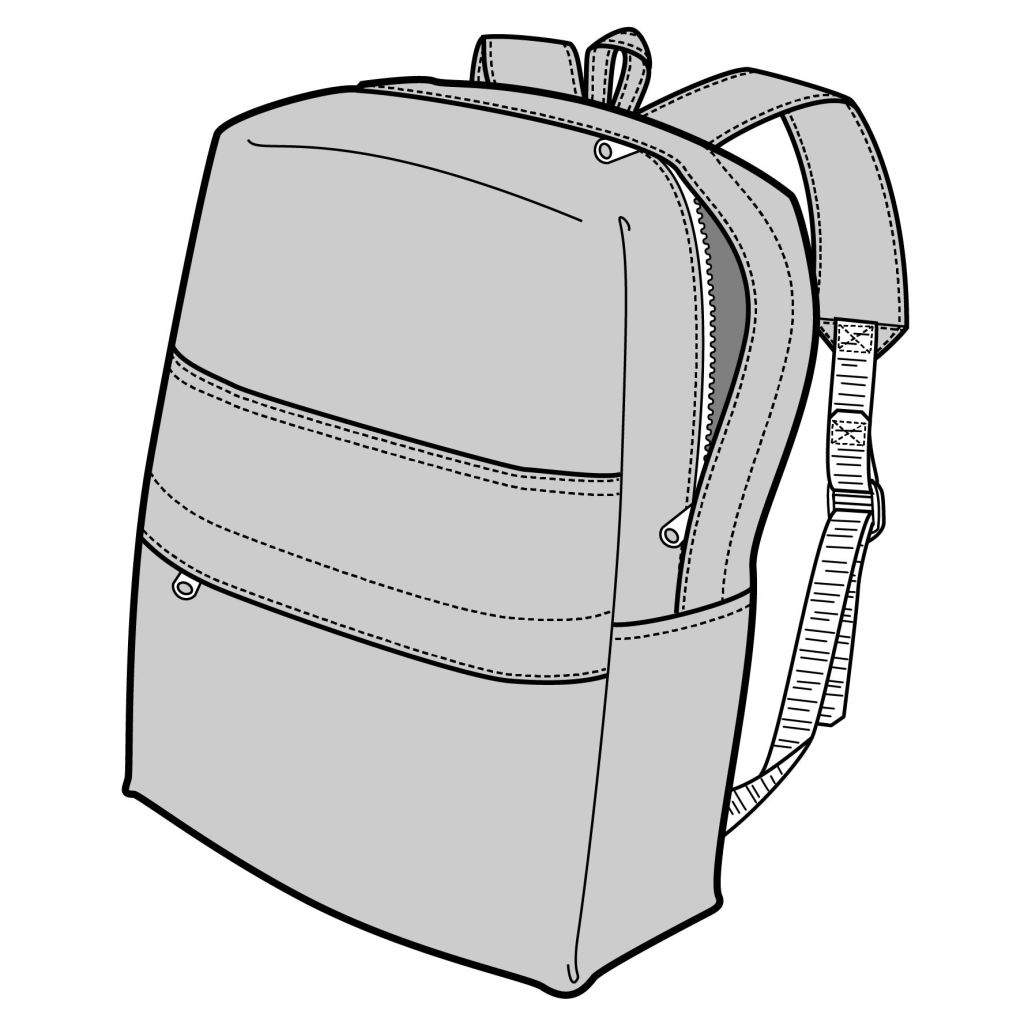
We also have our own little fabric store. For Folkwear, we carry fabrics that work really well with our patterns. For The Green Pepper, we carry performance and technical fabrics that are great for outdoor gear.
Merchant & Mills always has incredible fabrics. Oak Fabrics, outside of Chicago, has super high-quality materials. I don’t feel like they’re very well known, but I really love them.
For technical fabrics, I like Rockywoods and Seattle Fabrics as well.
Are there any other pattern designers you admire?
Yes, lots! I really like Heather Lou of Closet Core Patterns and Jenny Rushmore of Cashmerette. Both of them are great businesswomen: kind, helpful, involved. I like them a lot.
Gabrielle of Chalk and Notch is really great as well. And Seamwork! The Seamwork people are great, too.

Any advice for people considering opening a pattern brand?
I don’t have a lot of experience starting one from scratch, but I think it’s going to be really hard starting out.
You really have to be design-oriented and make it as easy as possible for customers to create something, and to offer something unique and different. I do see some companies coming out with things we haven’t seen before, but I also see a lot that feel like something we’ve seen over and over again.
Having something unique matters. Really good drafting is super important. Good grading is important too.
We print patterns for other people. We have in-house wide-format printers and print PDF patterns. I do see more AI-generated patterns coming through, and they’re terrible. Just awful.
If you’re going to do PDF patterns, do them well. That’s really important!
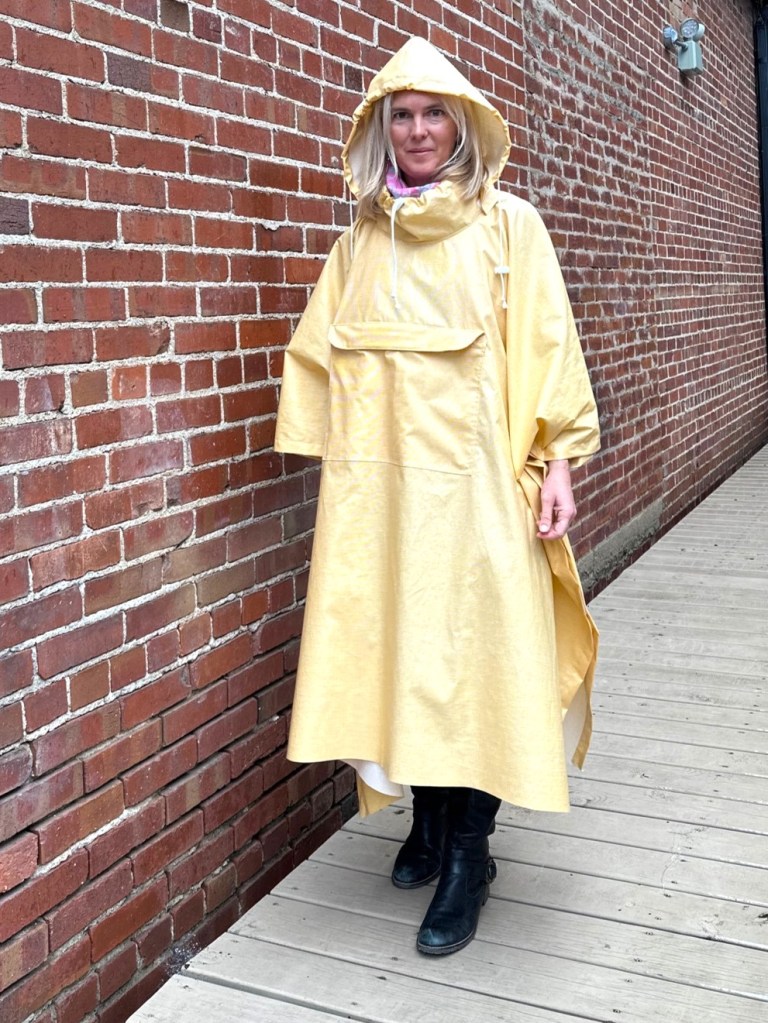
What are you most looking forward to?
We’re celebrating Folkwear’s 50th anniversary this year, so I’m looking forward to a year-long celebration. That’s exciting.
We’re also getting a new printer brought in tomorrow, which is exciting and a little intimidating.
And I’m looking forward to sewing some samples. I have some shows coming up this year and a pile of fabric next to me that I need to start working on.
Is there anything I forgot to ask that you’d like to talk about?
Folkwear is just such a unique company. We have great customers from all over the world: people making costumes, connecting with their culture, creating art to wear, and making really beautiful garments. I love that about it.
I also love running The Green Pepper, which focuses on outdoor clothing and gear. Both companies are just a lot of fun, and I love connecting with customers and sewists who use our patterns to make great things.

 Replic: the blog