
Robin Blodgett, an architect by training, shares her journey into the world of sewing and fabric retail. After relocating to Vermont and seeking a new direction during COVID, she turned her passion for sewing into Stash, a thriving store that fosters community, creativity, and sustainable practices. She discusses her favourite designers, admired stores, and exciting plans, including sewing furniture and custom-printed fabrics.
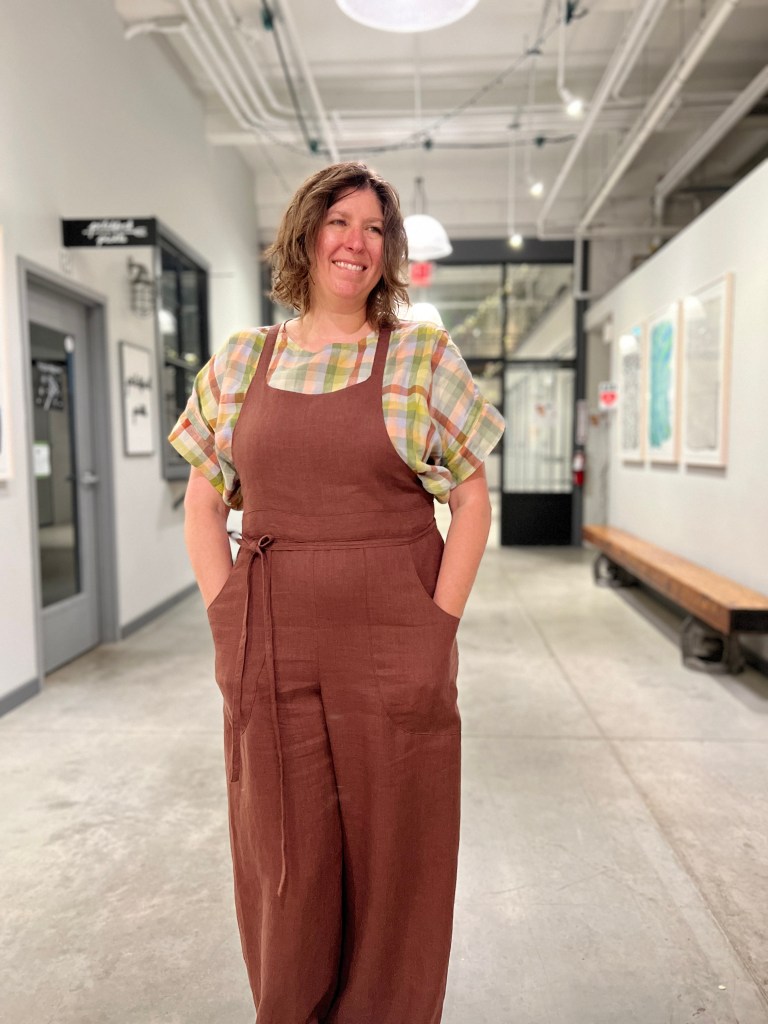
What prompted you to start a business?
I wish I had a beautiful answer. I’m an architect by training, and I worked in New York for over 15 years. Eventually, I was ready to leave the city, so I moved back to Vermont. During COVID, I became fairly disillusioned with my work and decided I needed something different.
I’ve been sewing on and off since my 30s, and like everybody, I really dove into it during COVID. As I was looking for a new direction in my life, I kept coming back to sewing because it was bringing me so much joy. We don’t have any garment fabric stores around here other than Joanne, which has now closed. Opening a fabric store seemed like a silly hope at first, but I kept going back to it. With my background in design, I’m passionate about materials. Vermont is also a very sustainable, focused place. There’s a lot of interest in natural fibres, biodegradable fabrics, sustainable textiles, and even upcycled fabrics, which I don’t carry but can be sourced locally.
I moved here in 2019 with no real community. Since opening the store, I’ve developed a strong community, not just of sewers, but deep friendships. Some of the greatest people in the world are sewers, honestly. My shop has become a place where people can congregate, share projects, and feel safe. After the election, many people came in just to process their feelings, and the store felt like a safe place for that. I’m really proud of what I’ve created.
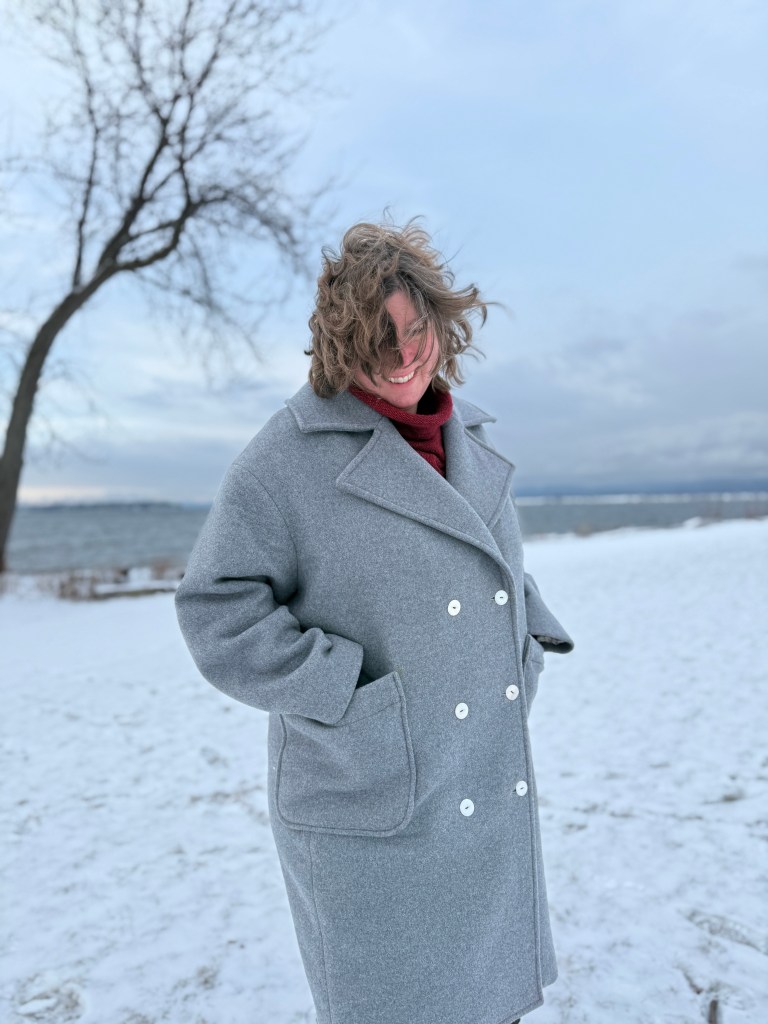
Where’s the name coming from?
“Fabric Stash” is a simple thing. It’s not overly creative, but it felt authentic to the sewing community. People who don’t sew might not get it, but people who do immediately understand it.
What are your favourite and least favourite parts of running a business?
My favourite part is definitely the community and seeing people grow and progress. I teach as well, so seeing someone who’s never turned on a sewing machine before create something like a wool coat with welt pockets is incredibly rewarding. It’s amazing to see other people’s progress. It’s more exciting than my own sewing achievements.
My least favourite part? I hate marketing. I’d happily hand that off to someone else. Or just have ChatGPT do it for me!

Favourite sewing patterns and designers?
I’m a big fan of Sew House Seven and Closet Core. Lately, I’ve been exploring more Daughter Judy patterns. They’re modern and edgy. Sew House Seven was one of the first independent pattern companies I started with, and I’ve made almost every pattern she’s released. Her style aligns with my own, and her patterns are extremely well-detailed.
Helen’s Closet is another favourite. For new sewers, I recommend her patterns because her instructions are incredibly thorough. The first time I downloaded one, I was surprised. It was 50 pages! But that’s because she’s teaching you in the pattern itself. She puts a lot of effort into it, and it really shows.
Are there other stores you admire?
Yes, several. Core Fabrics is doing great work sustainably. Salt Lake Sewciety in Salt Lake City is a few years ahead of me, and I look to them as inspiration. Stone Mountain & Daughter is amazing. LA Finch Fabrics is doing incredible work for physical stores. Gather Here in Boston is special. Locally, The Makery near me focuses on upcycled arts and crafts supplies and fostering creative community. Middlebury Sew-n-Vac, a quilting shop, has been incredibly generous, allowing pop-ups and collaboration.
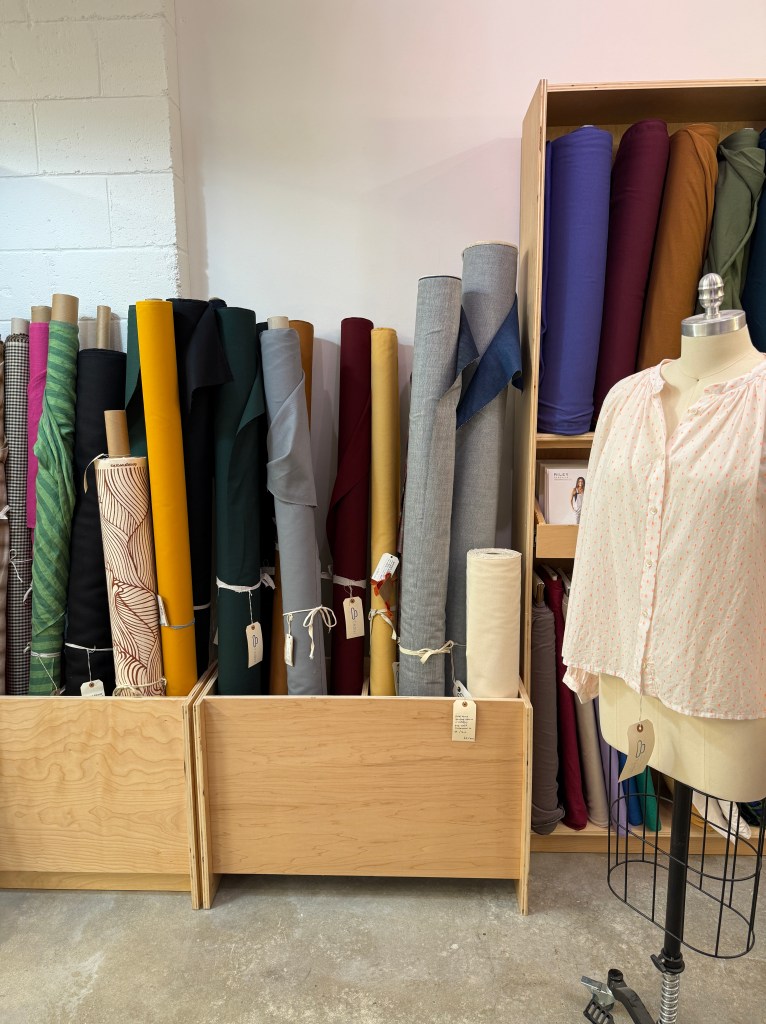
What are you most looking forward to regarding your store?
I recently moved my physical store to the first floor of the same building and am now sharing space with Little Bird Sewing Studio, a full-time sewing teacher. This allows us to offer more sewing classes, including programs for kids.
I’m also working on custom-printed fabrics with a designer in the same building. Unfortunately, shipments were paused due to tariffs, but I hope this will become a seasonal offering.
Additionally, I’m developing sewing furniture. Most sewing furniture is either ugly or expensive, so I want to create pieces that are beautiful, functional, and something you’d be proud to display. My brother, a talented millworker, is helping with prototypes, and our first worktable will be available in the studio in a few weeks. Initially, it’ll be for local pickup, but eventually, we hope to offer flat-pack furniture for shipping.

 Replic: the blog