
In this interview, Beth Syrnyk and Gillian McDonnell share how the pandemic-driven growing interest in sewing classes inspired them to turn their experience working in and running fabric stores into Lilax Studio, one of Winnipeg’s premier sewing studios. They discuss the joys of teaching beginners and the challenges of running a business while finding time to sew for themselves. They also offer practical advice for aspiring store owners, emphasizing knowing your customers, your community, and staying true to your focus.

What prompted you to start a business?
Beth Syrnyk: The pandemic! We both worked in fabric stores for years. I managed several fabric stores. During the pandemic, a lot of people took out their sewing machines and had a great time with them. When the pandemic was over, they realized they were enjoying sewing, but they did not know where to go from there. “I’ve made a mask, now what do I do?”
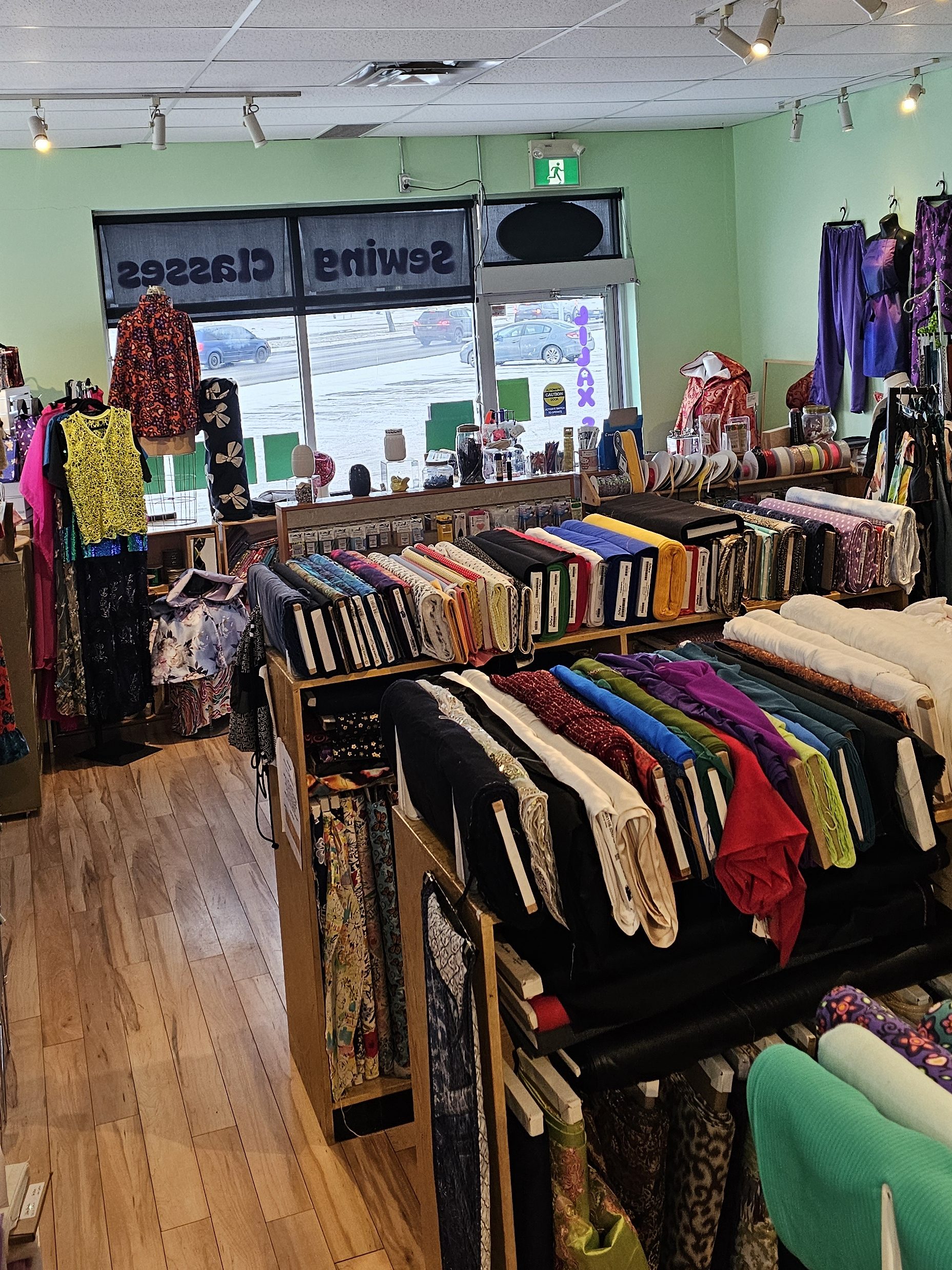
We were getting a lot of questions in the fabric store: “Where can I take sewing classes?” And so I thought, let’s just open the store and we’ll teach sewing. We’re more of a sewing studio than we are fabric sellers, but we do have fabrics, clearly, because if you’re gonna sew, you need fabrics, right?
Where is the name coming from?
Beth: Lilacs are my favourite flower. They symbolize new beginnings. They’re the first flower that blooms in the spring. We threw an X on the end because “marketing”. We thought of Kotex, Javex, and Kleenex. We looked online, and there were a lot of lilacs out there already, stores and others. There is even a Lilacs street here in Winnipeg. So there were a lot of C’s, but there weren’t any X’s. As a bonus, it starts conversations like this one.
What are your favourite and least favourite parts of running your own business?
Not having enough time to do your own sewing.
Beth: My favourite part is teaching people how to sew and really seeing their face light up. It’s like, “Wow, I never tried this before because it was so hard,” or “I didn’t think I could do it.” I just really, really enjoy teaching people how to sew and sharing our passion.
Gillian: I teach a lot of the beginner classes. It’s really fun to see what new beginner sewers have questions about that maybe someone who’s intermediate or advanced wouldn’t have thought of. For example, it’s easy to think, “Well, that’s the way it is,” and it forces me to think about why this is the way it is. My favourite part is explaining it to beginners.
The least favourite part: sewing is my passion. I enjoy sewing, but I really don’t get to do a lot of it anymore, other than making things for classes and for the store.
Another pet peeve: We get people who come in all the time asking us if we do alterations. No. But we can teach you how to do your own. We literally have an “alterations” class. We can show you how to do it on your own, but we won’t do it for you.
Favourite sewing patterns or designers?
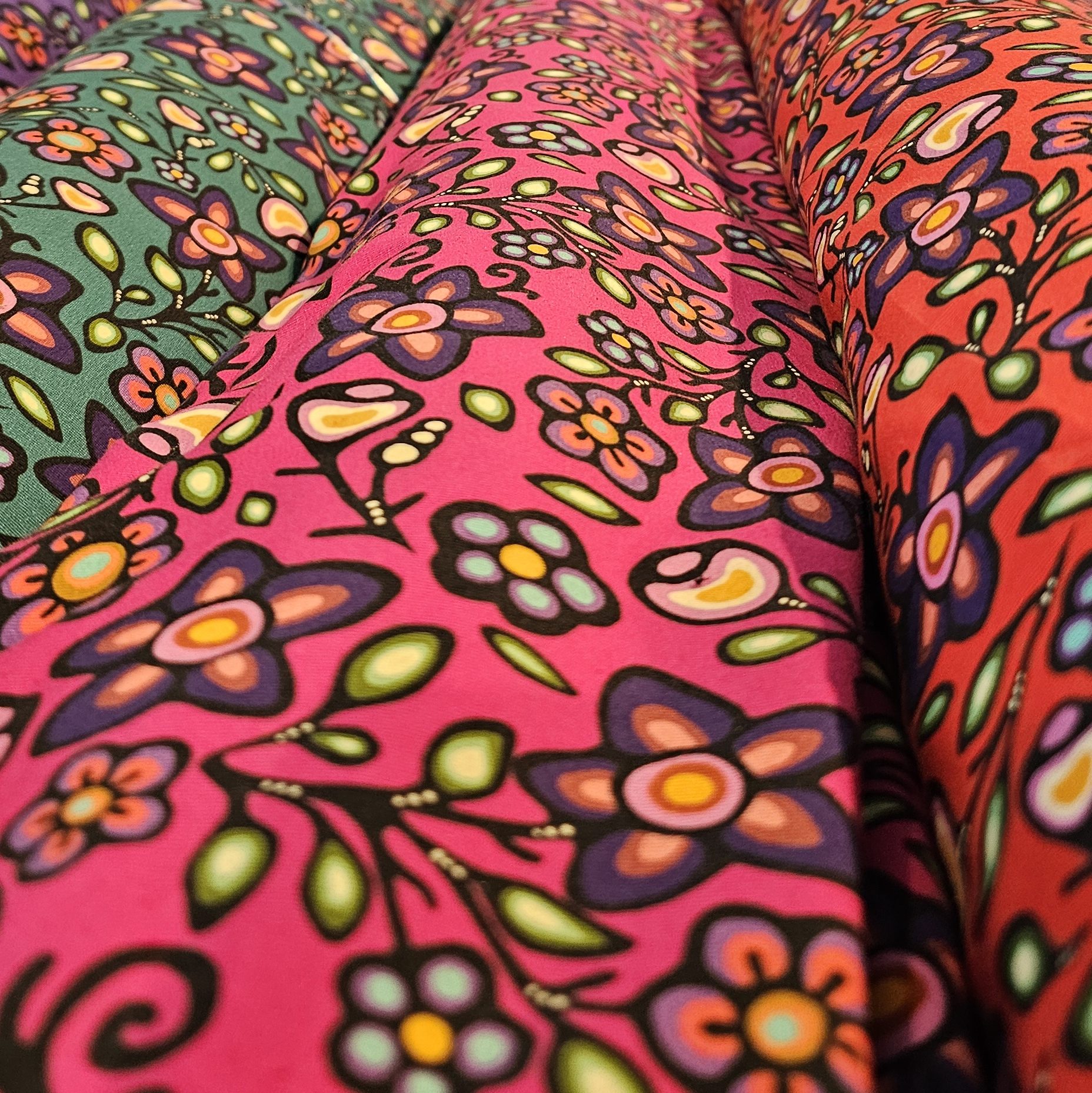
Beth: I really like Jalie from Québec. I was introduced to them about seven years ago now. I like the fact that all the patterns are in there, and they’re really nice and well-fitted.
Gillian: I like trying indie patterns. It’s fun to do them. But again, I have enough sewing information that I can fill in the blanks of bad instructions. We have a class where people can bring in their own patterns, and occasionally, people will come in with patterns that have poor instructions. It can be a challenge to decipher them, which I enjoy.
I don’t really have a specific favourite designer. I like trying all the different patterns. The language can be different from one designer to another, so it also gives me more ways to teach. Some people are good at writing instructions. Some aren’t. So it’s fun to decipher it and then explain or edit the instructions for other people.
Any stores you admire?
Beth: I’ve been in the industry for 40 years, and everybody has their strong points. A lot of fabric stores now are just there to sell you fabric. Which is great, don’t get me wrong. After all, everybody needs fabric. But we’ve really lost the small sewing store where you can go in, talk to people, and they can share sewing information with you, or explain the fabrics that are in their store.
Here in Winnipeg, we’re kind of stuck with big commercial fabric stores, other than quilt stores.
Gillian: I like going to Toni Tex when I go to Montreal. They’re great. I don’t get to go there nearly as much as I’d like. We want to do a big group shopping trip to Montréal with some of our regulars. It didn’t work out this year because I also work in film and ran away this summer. But we’ll do it next year.
Any advice for people considering opening their own store?
Beth: If you’re going to open your own store, it depends on where, but here in Winnipeg, you have to have parking. Number one.
The other thing is: know who your customers are. Really know who your customers are. Know what you want to sell right off the bat. You need to know what you’re selling and who you’re selling to before you even start. I see so many companies start from great ideas, thinking, “Wow, I can do this!” Then they open, and it becomes apparent they are not selling to the people they think they’re selling to.
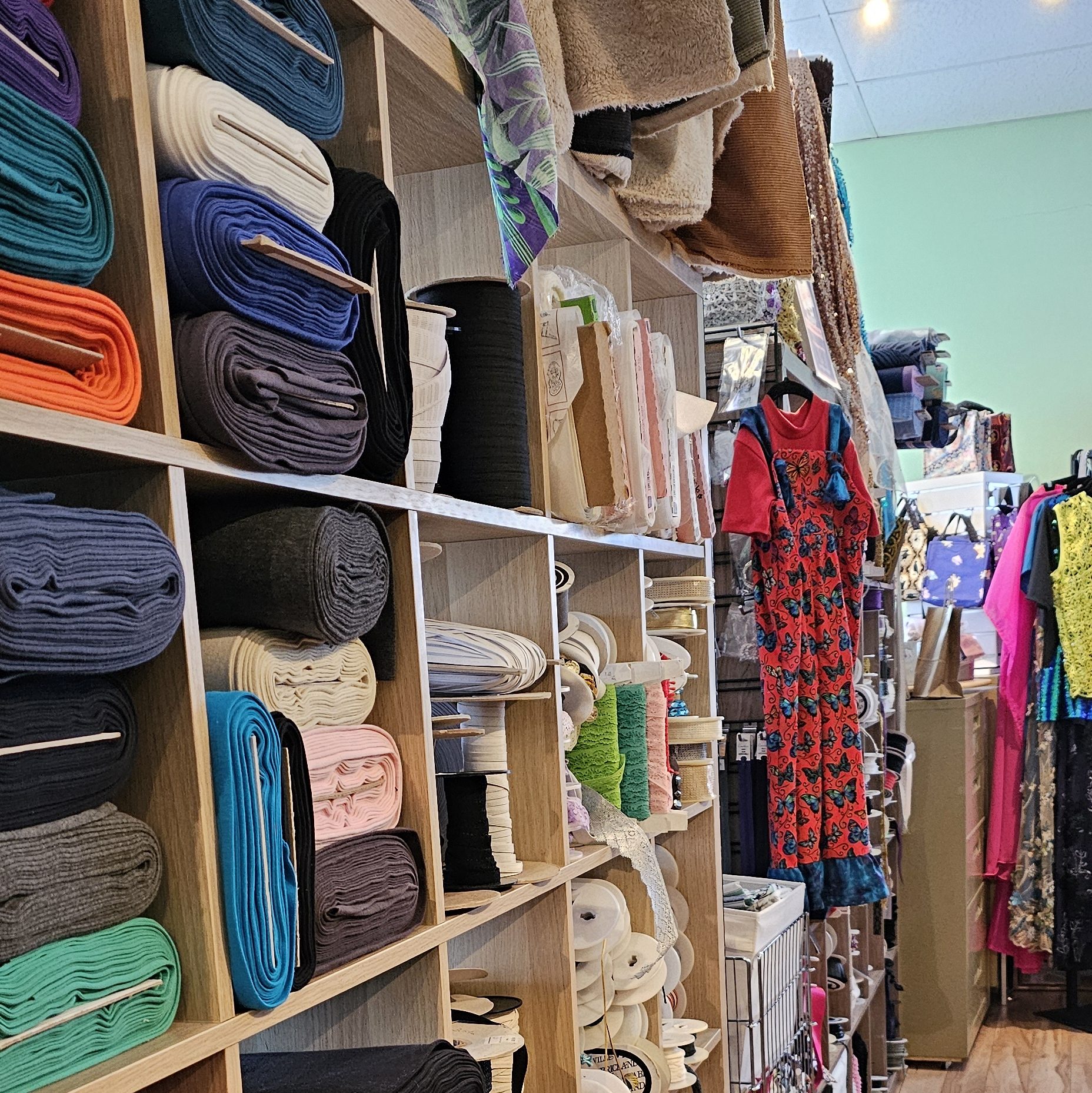
You have to know your community, too. For example, here in Winnipeg, we don’t sell a lot of synthetics. We sell mostly naturals, linens and cottons primarily. As a result, we don’t go out of our way to bring in synthetics. We don’t want to be sitting on them forever. We also don’t carry any quilting cottons, because we’re not quilters and we don’t do quilting. We could make a lot more money if we brought in quilting cottons, but that’s not who we are.
So that’s it: know who you’re going to sell to and stick to that. Don’t have too many options. Do one thing well.
What are you most looking forward to?
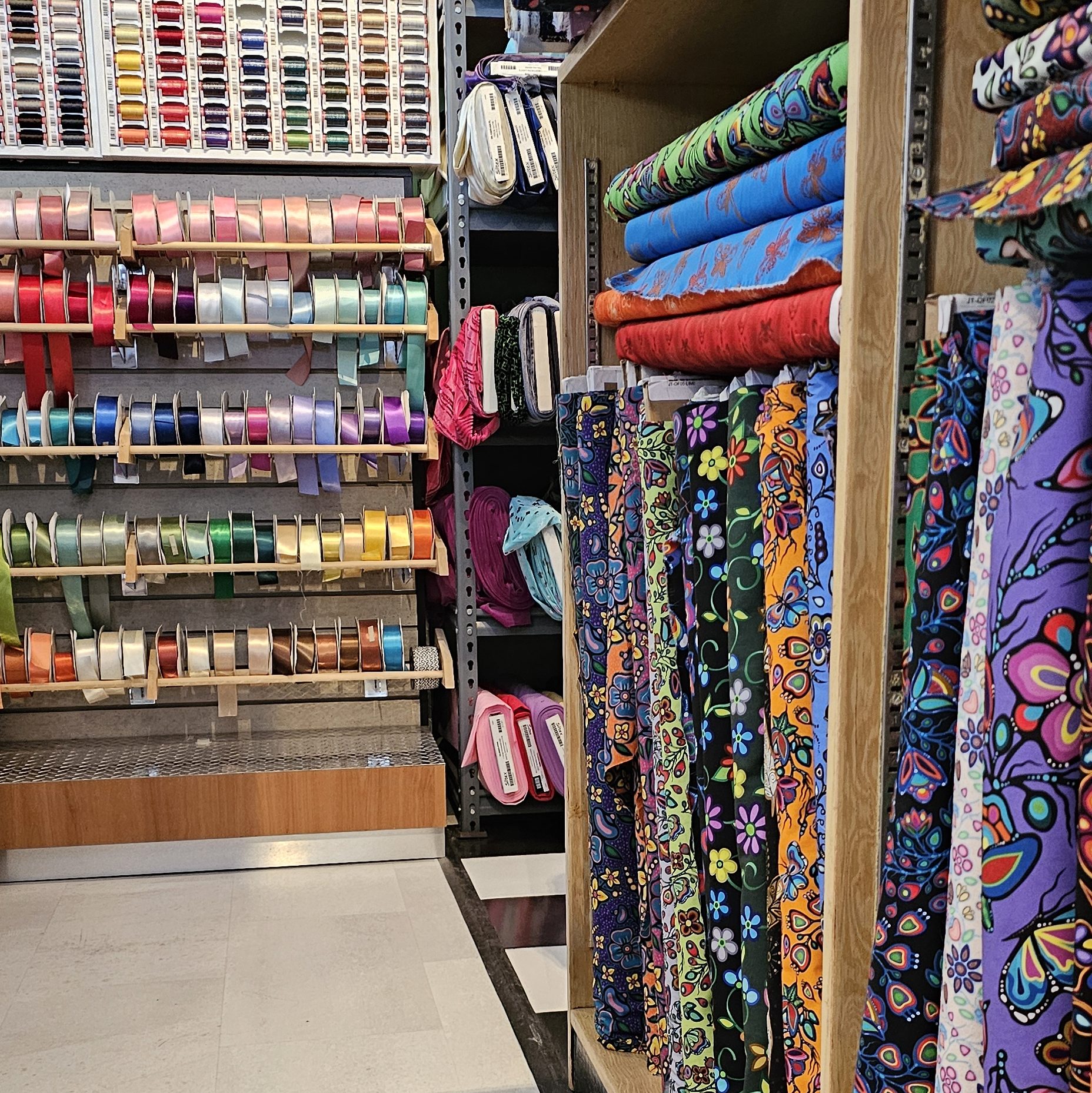
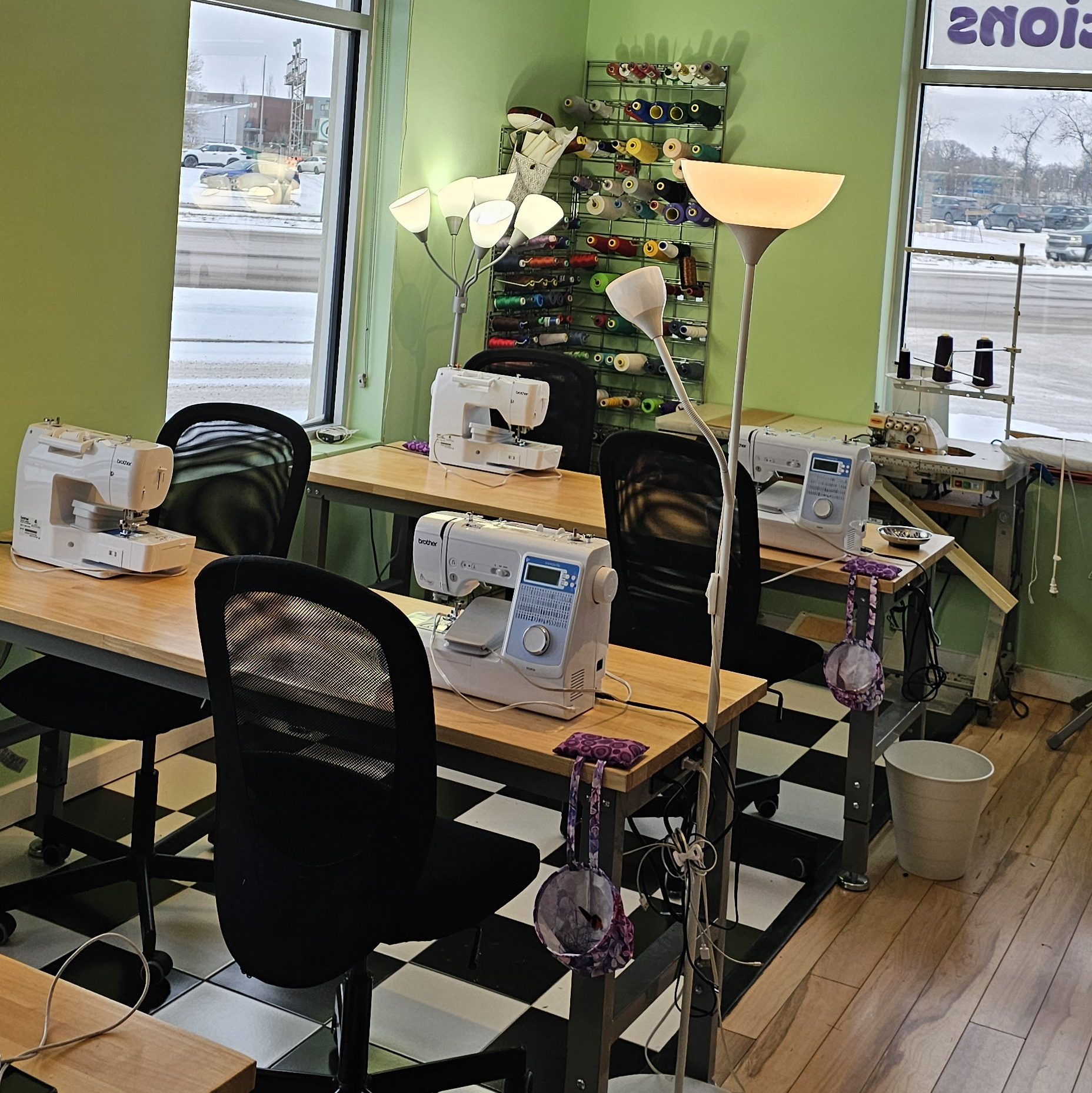
Beth: We are moving to a bigger location! We’re looking forward to getting settled and moved into a bigger space for our sewing. Right now, we can accommodate six students very nicely, eight if we snuggle together. We’re doubling our size and adding more ironing boards, more cutting tables, and just a lot more space. And of course, more fabric.
Right now we’re pretty squished. We have a lot of customers telling us it gives them a European fabric-store vibe, which is nice. But some people might find it a little chaotic because it’s just fabric stacked up the walls. We love it, but we know where everything is; they don’t. Although yesterday we were looking for something for a customer. We know there’s a bolt of it somewhere, but we couldn’t find it. We’ll find it when we move. Honestly, we don’t know where it went. It just disappeared into a black hole.
 Replic: the blog